
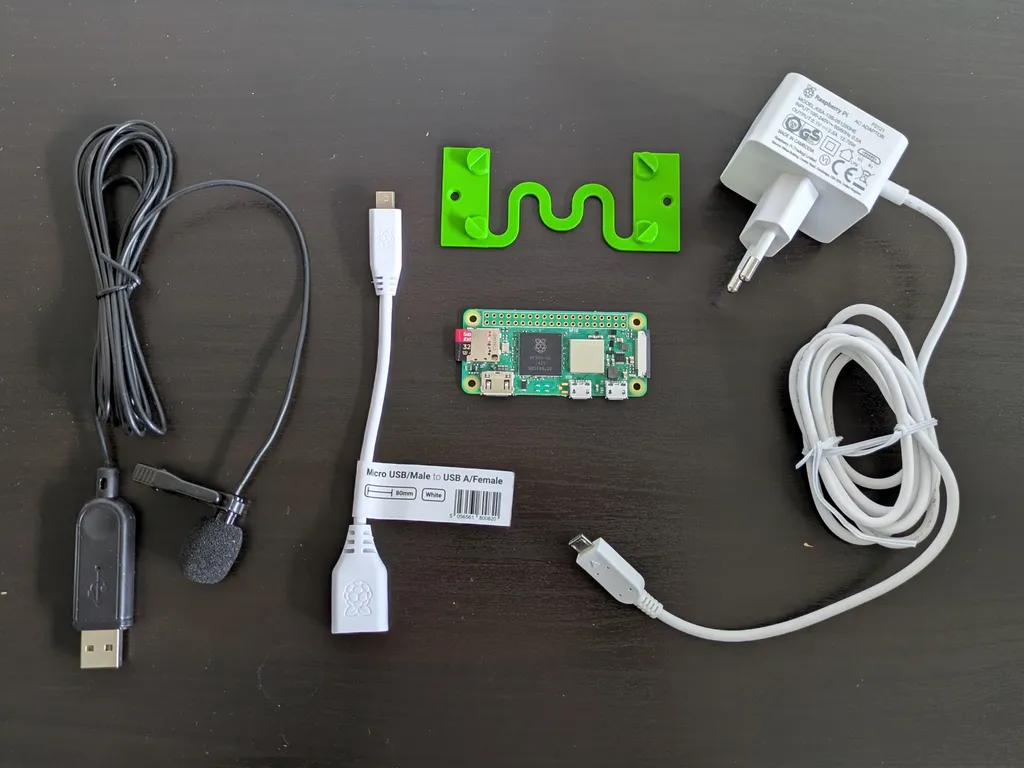
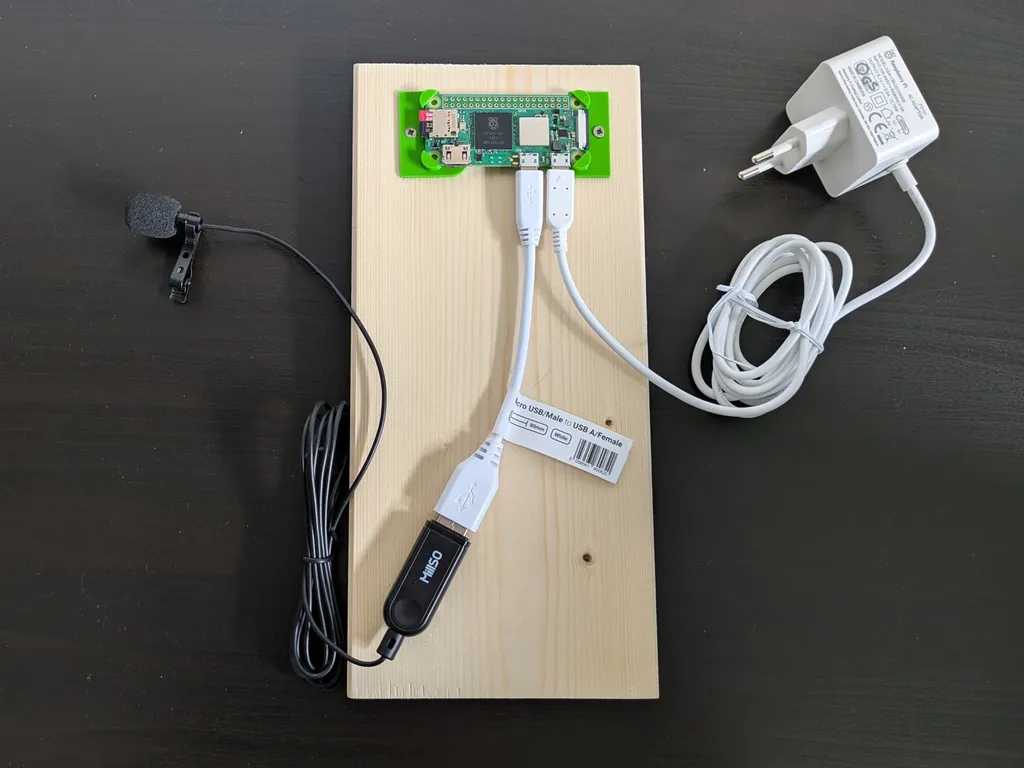
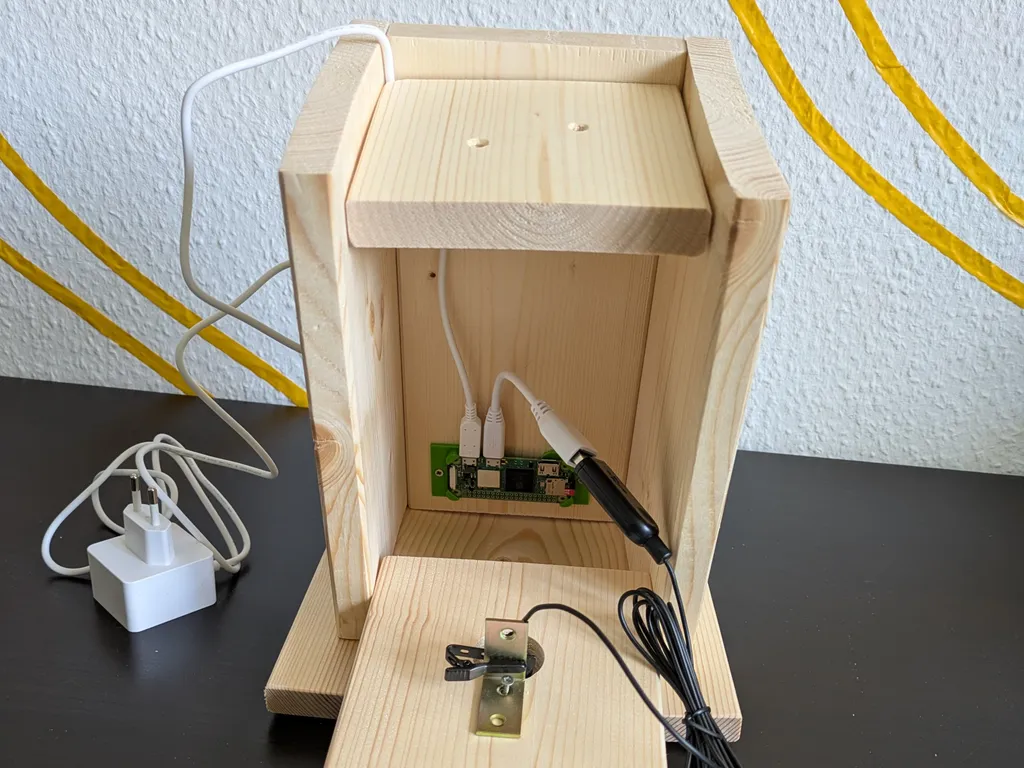
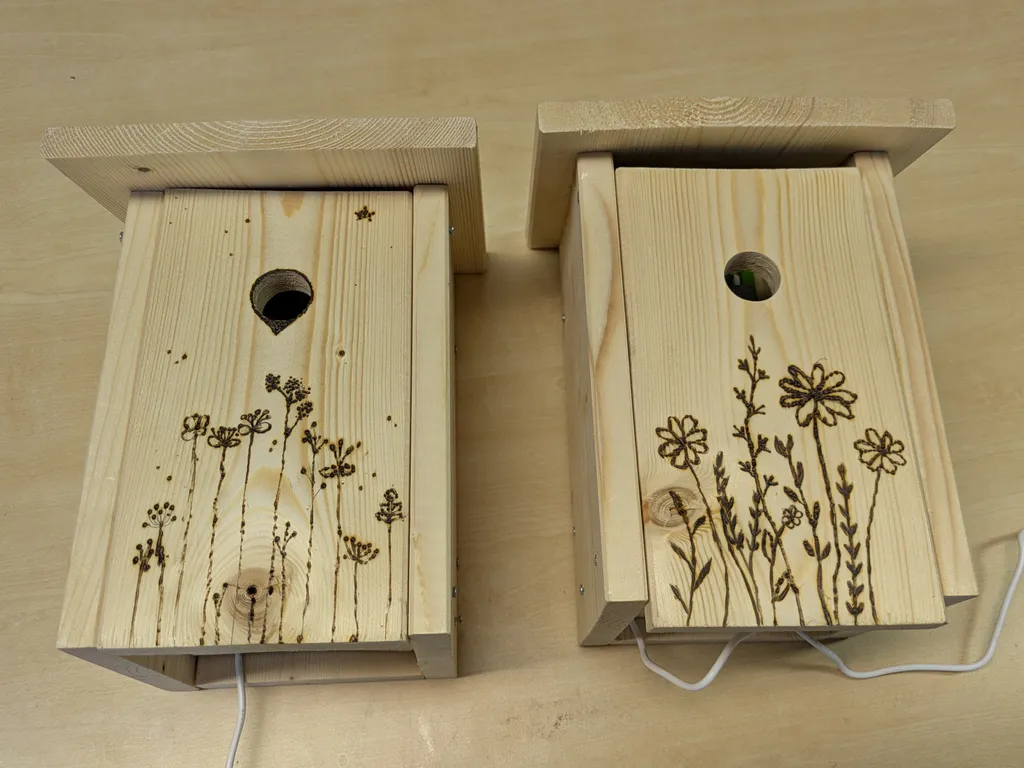
Have you always been curious about what’s singing on your balcony or in your garden? The listening birdhouse makes it possible! Inside it sits a small Raspberry Pi running BirdNET – an AI that recognizes bird songs. The system listens around the clock and shows you which species are chirping in your area.
In this project, you build your own little bird station step by step. First you set up the SD card and the Raspberry Pi, install BirdNET-Pi, and then place the system in a suitable spot. After that, the station can record bird songs, evaluate them automatically, and display the detected species through a web interface.
The project combines crafting, nature observation, and digital technology: out of just a few parts, you create a device that listens outdoors or at your window and helps you get to know the birdlife around you better. You can use it in the garden, on the balcony, or in another sheltered place.
What will you build?
In the end you’ll have a working BirdNET-Pi station with:
- a Raspberry Pi as a small computer,
- a microphone for recording bird songs,
- BirdNET-Pi for automatically recognizing the species,
- a web interface where you can view your observations,
- an optional hotspot, in case the station will be placed outside your Wi-Fi range.
Steps
Required components Here you'll find a list of the parts and materials you need.Set up the SD card Install Raspberry Pi OS and prepare the Pi for its first start.
Set up the Raspberry Pi Connect to the Pi via SSH and install BirdNET-Pi.
Set up a hotspot Optional: Set up your own hotspot so the station stays reachable even without a known Wi-Fi network.
Assemble the bird station Find a suitable housing and place the Pi and microphone in a good spot.
Prior knowledge
Basic computer skills are required; a little English is helpful. You can follow the guide step by step even without deep technical knowledge – but it will be easier if you already have experience with the console and basic programming. If you have any questions, feel free to reach out by email.